



Only 21% Of Live Music Measured In Grassroots Venues Identified As Registered Repertoire In MVT And Audoo Pilot
Music Venue Trust and Audoo launch major UK-wide study to examine music usage and inform discussion Grassroots Venue licensing and royalty distribution
Music Venue Trust (MVT) and Audoo have announced a major three-month study into music performed in Grassroots Venues, following initial research which matched just 21% of measured live performance audio to known songs.
MVT says the findings, from a two-month pilot conducted during August and September 2026, raise questions about how accurately existing music licensing models reflect the repertoire being performed in Grassroots Venues and highlight the potential for technology to improve royalty distribution to songwriters.
Across 623 hours of live performance audio, Audoo’s Audio Meters identified 134 hours (21%) as matching known songs or works. MVT says this is broadly consistent with its longstanding estimate that registered repertoire accounts for between 20% and 34% of music performed in Grassroots Venues. Unmatched audio can also include speech between songs and other unidentified material.
MVT has previously challenged the 100% registered-repertoire assumption it says underpins PRS for Music’s approach to licensing Grassroots Venues. While the pilot does not establish the precise proportion of unregistered music, its findings suggest that more detailed measurement could help inform future licensing and royalty distribution arrangements.
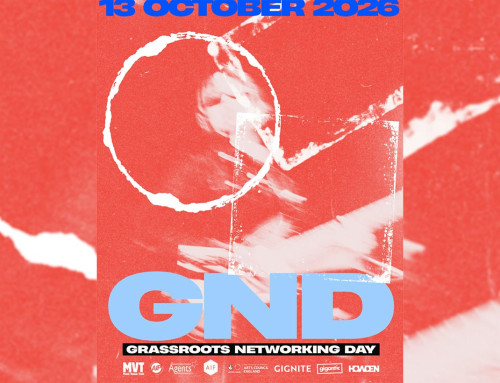
The new study will involve over 100 Grassroots Venues across the UK between October and December 2026. Audoo’s Audio Meter technology takes a feed from a venue’s mixing desk, identifying known songs performed live or played as recorded music without requiring additional paperwork or setlist submissions.
During the pilot, the technology recognised 2,238 live performances, including 23 tribute-band sets featuring more than 380 songs. These included all 13 tracks of My Chemical Romance’s The Black Parade performed in album order and Britney Spears songs performed as heavy metal. It also identified songwriters performing their own material, including 13 songs from the catalogues of James Walsh of Starsailor and Ben Ottewell of Gomez.
The research highlighted the diversity of grassroots music programming. In September alone, 1,190 different songs were recognised during live performances, with 87% heard only once. Recorded music was similarly varied, with 10,943 tracks by 6,248 artists identified. The repertoire differs markedly from radio and major-concert consumption, which are commonly used as proxies for royalty distribution. No single artist was heard in more than 16 of the 64 venues providing data in September.
Mark Davyd, CEO, MVT

Steve Robbins, CTO, Audoo

Gareth Kelly, Rights Management, MVT

MVT and Audoo plan to publish the findings of the full study in January 2027, providing new evidence to inform discussions about Grassroots Venue licensing and royalty distribution.



Leave A Comment
You must be logged in to post a comment.